
REVIEW · OLD DUBAI TOURS
Historic Forts, Boats and Pearls of Old Dubai Walking Tour
Old Dubai tells the story skyscrapers cannot. This two-hour walk through Al Bastakiya, Al Fahidi Fort, and the old souks gives you a useful first look at Dubai before the towers, malls, and man-made islands took over the postcard. I especially like the traditional abra crossing and the food tastings, which add local texture to what could otherwise be a standard history walk. The main drawback is the pace: two hours is enough for a strong introduction, but not enough for long browsing or a relaxed visit to every market.
At $54 per person, this is not the cheapest way to see Old Dubai, but it can be good value if you want a guide to connect the buildings, customs, markets, and trading past. Guides such as Dana, Pri, Sameh, and others have been praised for warmth, humor, clear explanations, and personal connections in the souks. Wear comfortable shoes, expect plenty of walking, and remember that this tour is not suitable for wheelchair users.
In This Review
- Key points to know before booking
- Why Old Dubai is the right place to begin
- Starting outside Arabian Tea House
- Walking through Al Bastakiya and Al Fahidi
- Coffee, dates, and everyday customs
- Crossing Dubai Creek by traditional abra
- The Textile Souk and the art of browsing
- The Spice Souk, perfumes, and dried fruit
- The Gold Souk and Dubai’s trading identity
- What the guide adds to the experience
- Is $54 good value for two hours?
- Who should book this walking tour?
- Booking advice and final verdict
- FAQ
- Where does the Old Dubai walking tour meet?
- How long does the tour last?
- What language is the tour offered in?
- Is the abra boat ride included?
- Which souks are visited?
- Are museum tickets included?
- Are food tastings included?
- Is hotel pickup included?
- Is the tour suitable for wheelchair users?
Key points to know before booking
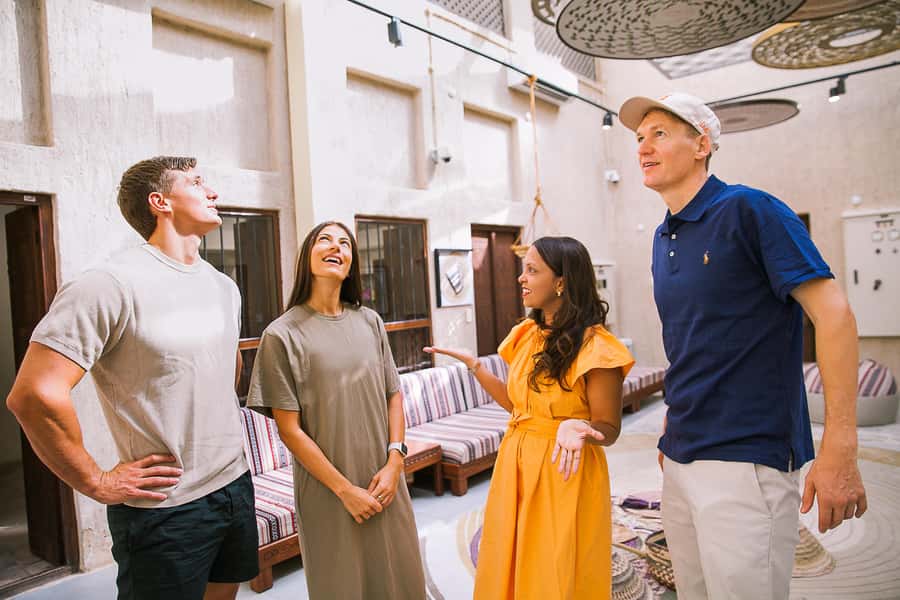
- Al Bastakiya gives you Dubai before the skyscrapers: Walk among restored heritage houses, narrow lanes, courtyards, and traditional wind-tower architecture.
- The abra ride is part of the experience: You cross Dubai Creek in a traditional wooden boat, linking the older residential quarter with the market side.
- Three major souks are included: Expect time around the textile, spice, and gold markets, with perfume and food-related stops also part of the route.
- Small-group guiding is a major strength: The best guides keep the walk conversational and explain local etiquette, food, religion, trade, and daily life.
- Tastings add practical flavor: Coffee and dates are included, along with chocolates and dried fruits at the Spice Souk.
- Two hours goes quickly: This works best as an orientation tour, not as a dedicated shopping trip or museum day.
Why Old Dubai is the right place to begin
Dubai is often presented through its newest buildings. That version of the city is impressive, but it can leave you wondering how a desert trading town became a global business center. This tour begins in the older districts, where the story is easier to see and feel.
Al Bastakiya, also called the Al Fahidi Historical Neighborhood, was once a residential area for merchants. Its heritage houses and shaded lanes give you a far better sense of old domestic life than a drive past modern landmarks. The area is also much calmer in mood than central Dubai, with courtyards, galleries, museums, and traditional architecture packed into a walkable quarter.
I like that the tour does not treat history as a list of dates. The guide connects architecture with climate, trade, family life, food, and social customs. You learn why older homes used wind towers, how merchants operated, and how the creek supported the town’s growth.
The tour also helps explain the difference between Dubai as a place of business and Dubai as a community. Discussions about local etiquette, demographics, Arabic culture, and customs give you context for what you see during the rest of your stay. If this is your first visit, that background can make later experiences feel less like disconnected sightseeing.
More old Dubai walks:
- Dubai Aladdin Tour: Souks, Creek, Old Dubai and Tastings
★ 5.0 · 3,755 reviews - Old Dubai tour: Local Market, Tasting, Dubai creek with Abra ride
★ 5.0 · 834 reviews - Authentic Old Dubai, Souks, Tastings & local boat Guided Tour
★ 5.0 · 504 reviews
Starting outside Arabian Tea House
The meeting point is outside Arabian Tea House on Al Fahidi Street, opposite the Musalla Post Office in Bastakiya. This is a practical location because you begin inside the historic quarter rather than spending part of your two hours getting there from a hotel.
You will need to find your own way to the meeting point since hotel pickup and drop-off are not included. The exact starting time depends on availability when you book, so check the schedule carefully and arrive ready for an outdoor walk.
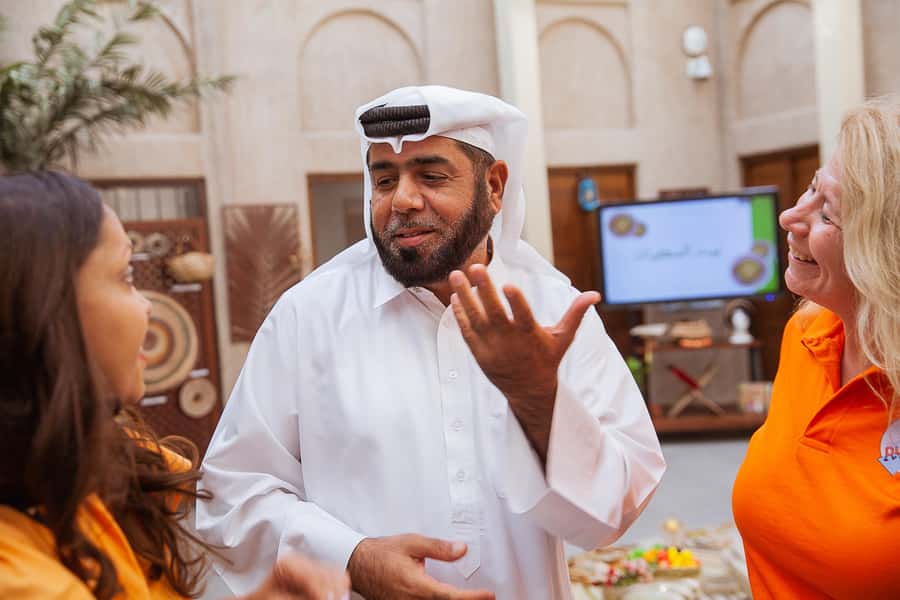
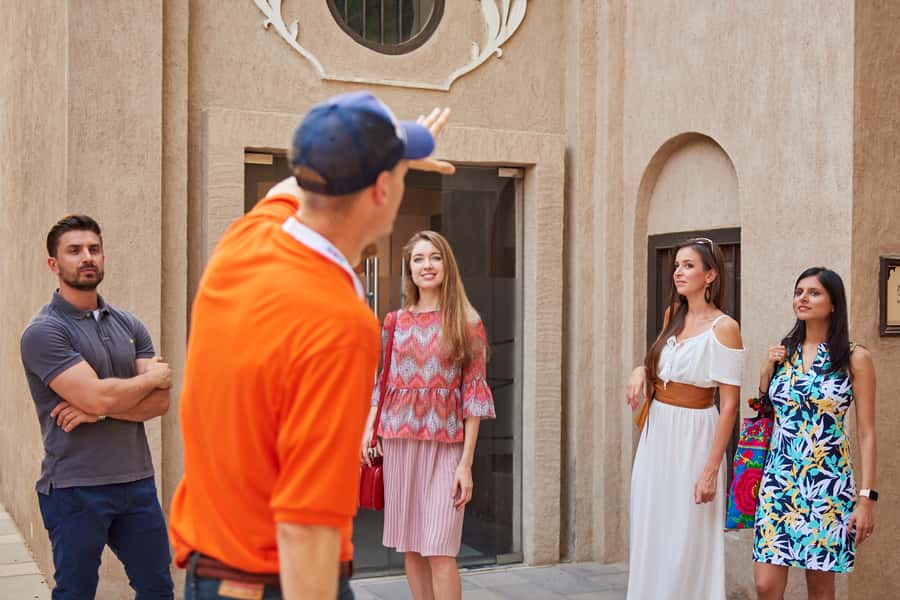
The tour uses an English-speaking guide. The experience is strongest when the guide keeps the group together and allows time for questions. Past guide names include Dana, Pri, and Sameh, with special praise for friendly presentation, patience, humor, and strong knowledge of Dubai and the wider region.
One useful quality to look for in a good Old Dubai guide is the ability to make quick connections between places. A house is more interesting when you understand who lived there. A spice stall means more when you know how trade shaped the creek. A gold shop becomes part of the city’s commercial story instead of just another stop for photographs.
Walking through Al Bastakiya and Al Fahidi
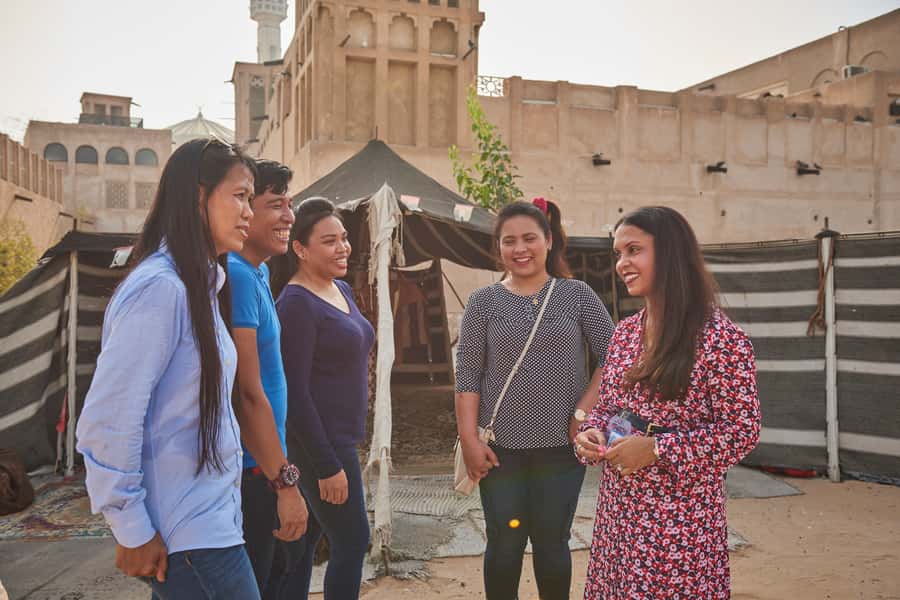
The first section focuses on the oldest residential areas of Dubai. You walk through heritage houses and lanes in Al Bastakiya, learning how the neighborhood functioned before Dubai became a major modern city.
The architecture is the main attraction here. Traditional homes, courtyards, and wind towers show how people adapted to heat before modern air-conditioning. You should pay attention to the details rather than rushing from one photo stop to the next. The point is not simply that the buildings look old. It is understanding how the design served family life, privacy, shade, and airflow.
Al Fahidi Fort is another major stop. Museum admission is included, which is important because the fort provides a more structured look at Dubai’s past. Inside, you can connect the city’s early development with its desert setting, coastal position, and trading links.
The museum visit adds value to the walking portion, but time is limited. You may not have the chance to study every display at length. If you are especially interested in Dubai’s archaeology or local history, consider returning on your own for a longer visit.
The tour’s wider story includes pearl gathering, fishing, trade, and the growth of the creek-side settlement. Pearl gathering was a major part of the region’s economy before oil and modern commerce changed Dubai’s fortunes. This background helps explain why the creek and its markets mattered so much.
Coffee, dates, and everyday customs
The included coffee and dates tasting is a small but useful part of the tour. It gives you a simple introduction to local hospitality and creates a natural opening for the guide to explain customs around receiving and offering food and drink.
I prefer this sort of tasting to a long formal meal on a short tour. You get a sample without losing much walking time, and the guide can explain how food fits into social life. The tasting is not intended to replace a full meal, so do not arrive expecting lunch.
The tour also includes tastings at the Spice Souk, with chocolates and dried fruits. These samples make the market visit more than a visual tour. You get a chance to notice sweetness, spice, texture, and presentation while learning how shopkeepers sell products to local customers and international shoppers.
The exact food items may vary, and the supplied information does not promise a fixed menu. If you have allergies or dietary restrictions, ask the guide before tasting anything.
More heritage tours in Dubai:
- Dubai Evening Heritage Safari by Vintage G Class Al Marmoom Oasis
★ 5.0 · 1,500 reviews - Dubai Camel Desert Safari, Traditional Meal & Heritage Activities
★ 5.0 · 937 reviews - Dubai: Heritage Safari in Vintage Land Rover with Dinner
★ 4.8 · 861 reviews - Dubai: Historic City Highlights Day Trip
★ 4.4 · 807 reviews
Crossing Dubai Creek by traditional abra
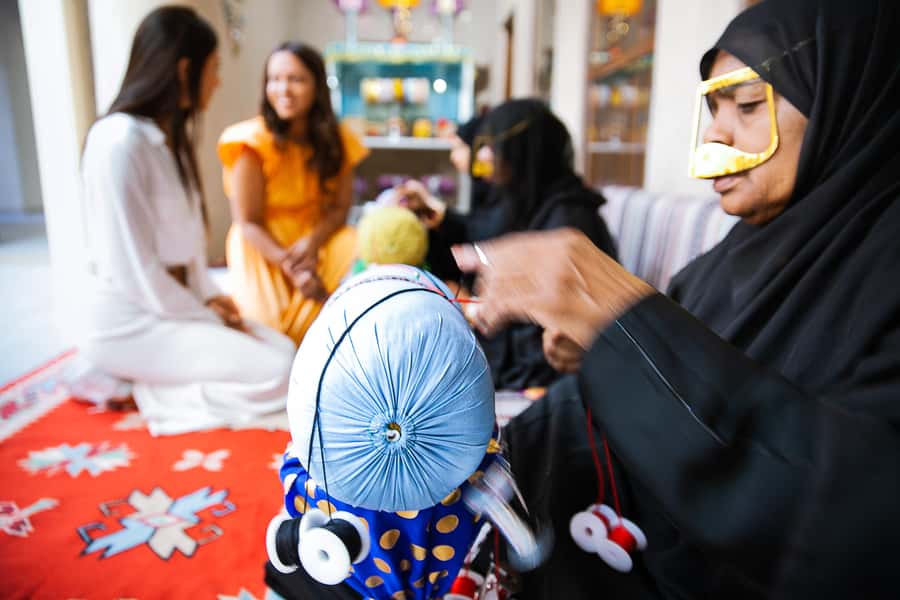
The abra ride is the most distinctive part of the route. These small traditional wooden boats cross Dubai Creek between the historic quarters, giving you a short break from walking and a different view of the city.
The ride is brief, but it carries real meaning. The creek was the working center of old Dubai, linking homes, warehouses, merchants, and markets. From the water, you can see the city in the way its earlier residents experienced it: as a place organized around trade and transport rather than highways and towers.
You will also get good photo opportunities from the boat. Keep your camera ready, but do not expect a long cruise. This is a local crossing, not a sightseeing boat trip. Its value comes from the setting and the connection to Dubai’s past.
The abra also breaks up the tour nicely. Two hours on foot can feel rushed or tiring, especially in warm weather. A short boat crossing gives you a change of scene while keeping the itinerary focused.
The Textile Souk and the art of browsing
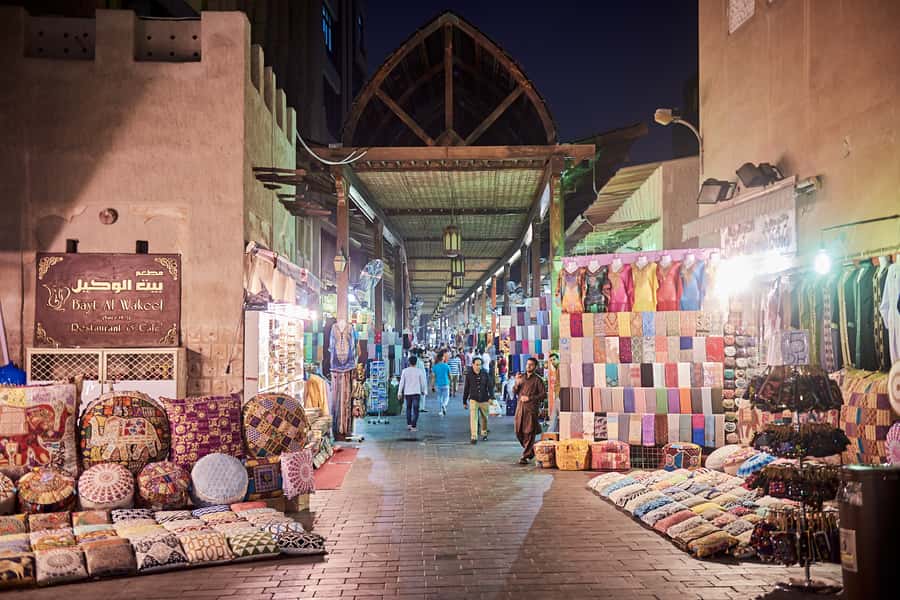
On the textile side of the creek, you will see fabrics, clothing, and traditional materials arranged for shopping. This is a useful stop if you want to understand how Old Dubai remains a commercial district rather than a museum frozen in time.
Your guide can help explain what you are seeing and may offer advice about local shopping customs. Still, remember that browsing and buying are not the same thing. The tour does not promise a dedicated shopping period, and the group will need to keep moving.
If you hope to purchase fabric, scarves, or clothing, note what interests you during the tour and return later with more time. That approach is less stressful than trying to negotiate a purchase while also keeping up with the group.
The textile market also shows a different side of Dubai than the polished retail centers. It feels closer to the city’s trading roots, with personal exchanges and traditional goods rather than international chain stores.
The Spice Souk, perfumes, and dried fruit
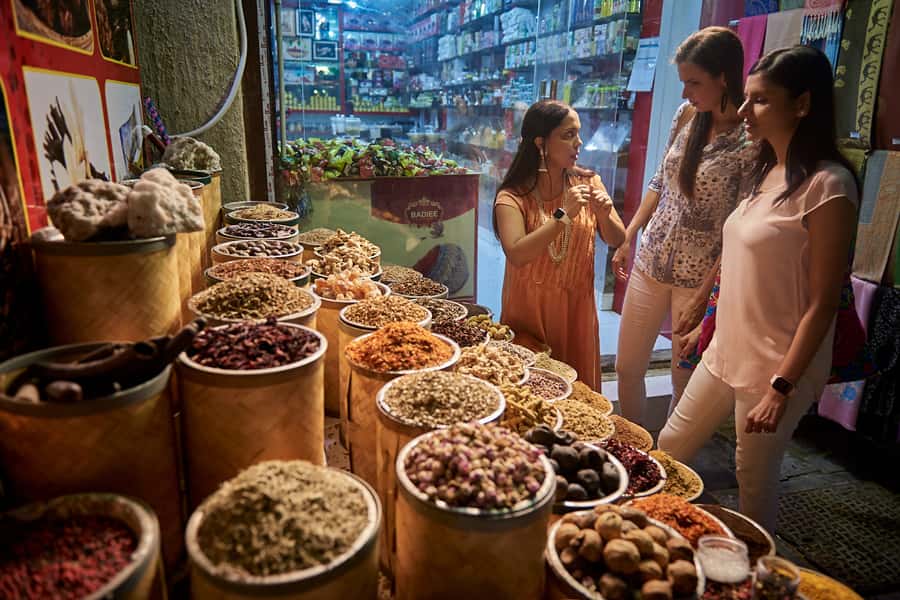
The Spice Souk is one of the tour’s most sensory stops. You can expect displays of spices, dried fruits, chocolates, and other food products, along with explanations of how these goods are used and sold.
The included tastings give you a reason to slow down and pay attention. Look at the colors, smell the products, and ask questions about unfamiliar items. The guide’s role matters here because a market can seem like a wall of colorful bags if nobody explains what they are for.
Perfume is also part of the Old Dubai route. The tour uses these market stops to discuss more than shopping. You learn about food, scent, trade, and the customs that shape everyday life in the UAE.
The market can be busy, and shopkeepers may be eager to make a sale. That is not necessarily a problem, but you should be clear if you are only looking. The tour is best for you if you enjoy markets as cultural spaces, not only as places to buy souvenirs.
The Gold Souk and Dubai’s trading identity
The Gold Souk provides the final piece of the three-market picture. Gold displays are a visible reminder of Dubai’s role as a regional trading center and its reputation for commerce.
You do not need to buy anything to enjoy this stop. The point is to see how the market works and to understand why gold became such an important part of Dubai’s identity. The jewelry itself is often the main spectacle, with elaborate pieces arranged behind shop windows.
A guide can also help you separate local custom from tourist assumptions. The tour promises explanations of etiquette and myths, which is useful in a place where visitors may not know what is appropriate to ask, photograph, or handle.
Again, the schedule may not allow you to compare shops or negotiate a purchase. If gold shopping is a priority, treat this tour as your introduction and return later.
What the guide adds to the experience
The guide is the key variable in a short walking tour. A strong guide turns two hours into a clear story. A weaker guide would leave you with a collection of old houses and market aisles.
The praised guiding style is conversational rather than stiff. Dana has been singled out for maintaining a good atmosphere, managing a delayed start with patience, and explaining details with care. Pri has also been praised for warmth and patience. Other guides, including Sameh, have been noted for strong presentations and useful background on local culture.
I particularly value the guide’s ability to discuss modern Dubai without ignoring the region around it. The experience covers history, politics, demographics, food, etiquette, and culture. That wider view helps you understand that Dubai’s story is not only about buildings and money.
Some guides may also help after the walk by offering suggestions about restaurants, public transport, and other parts of the city. That kind of practical advice can be very useful on a first visit, though it should be treated as an added benefit rather than a guaranteed part of every departure.
Is $54 good value for two hours?
At $54, the tour costs more than simply walking through the neighborhood on your own. You could visit parts of Old Dubai independently, cross the creek, and browse the souks without paying a guide fee.
The value comes from what is bundled into the short visit: a certified English-speaking guide, museum admission, coffee and dates, spice-market tastings, and the abra crossing. You are also paying for the explanations that connect the sites. That matters in Old Dubai because many of the most important details are not obvious from the outside.
I would consider the price reasonable if you are new to Dubai, want a clear introduction, and prefer a small-group experience with a guide. It is less convincing if you already know the historic district, plan to spend hours shopping, or prefer to explore at your own pace.
The tour has a perfect 5 rating from 31 listed reviews, with repeated praise for the guides, the history and culture explanations, the souks, and the boat ride. That is a small sample, so I would not treat it as a guarantee, but the pattern of praise is consistent.
Who should book this walking tour?
This is a good match for first-time visitors who want to see the older side of Dubai before spending time around modern attractions. Families with older children may also enjoy it because the boat ride, tastings, markets, and short museum visits keep the route varied.
It suits curious shoppers who want context before returning to buy spices, textiles, perfume, or gold. It also works well for anyone who wants practical explanations of local etiquette and culture without committing to a full-day excursion.
You should think twice if you have mobility limitations. The tour is not suitable for wheelchair users, and the route includes walking through historic districts and markets. Comfortable shoes and comfortable clothing are essential.
The two-hour length is both a strength and a limit. It fits neatly into a morning or afternoon and leaves you free to continue exploring. But if you want long museum visits, leisurely market browsing, or a full meal, you will need extra time before or after the tour.
Booking advice and final verdict
Book this tour if you want Old Dubai explained rather than simply photographed. The best reasons are the well-connected storytelling, the abra crossing, the included tastings, and the chance to see the textile, spice, and gold souks in one compact outing.
Do not book it as a dedicated shopping tour or a slow architectural study. You will move at a group pace, and two hours passes quickly.
For a first visit, I think the experience earns its place near the start of your Dubai plans. It gives you the historical frame you need before the modern city begins to dominate your trip. Reserve ahead if the timing matters, and take advantage of the free cancellation available up to 24 hours before the tour if your plans change.
FAQ
Where does the Old Dubai walking tour meet?
Meet your English-speaking guide outside Arabian Tea House on Bastakiya’s Al Fahidi Street, opposite the Musalla Post Office in Bur Dubai.
How long does the tour last?
The walking tour lasts two hours.
What language is the tour offered in?
The tour is offered in English with a live English-speaking guide.
Is the abra boat ride included?
Yes. The itinerary includes a traditional wooden abra ride across Dubai Creek.
Which souks are visited?
The tour visits the textile, spice, and gold souks. Perfume-related stops are also part of the Old Dubai route.
Are museum tickets included?
Yes. Museum tickets are included in the tour price.
Are food tastings included?
Yes. The tour includes coffee and dates, plus tastings of chocolates and dried fruits in the Spice Souk.
Is hotel pickup included?
No. You must make your own way to the meeting point, since hotel pickup and drop-off are not included.
Is the tour suitable for wheelchair users?
No. The experience is listed as not suitable for wheelchair users. Comfortable shoes and clothing are recommended for the walking route.
More Walking Tours in Dubai
- Middle Eastern Food & Culture Walk in Old Dubai
★ 5.0 · 206 reviews - Historic Old Dubai & Souk Small Group Walking Tour
★ 5.0 · 156 reviews - Dubai Souks, Food & Culture Walking Tour
★ 5.0 · 132 reviews - Private Old Dubai Walking Tour: Forts, Souks, and Boats
★ 5.0 · 116 reviews
Newest reviews from Dubai
- Dubai Sunrise private Desert Safari With Camel Ride★ 5.0 · 17 reviews
- Abu Dhabi City Tour and Qasr AL Watan★ 5.0 · 17 reviews
- Arabian Desert Safari Dubai★ 4.0 · 17 reviews
- Sunset Quad/Buggy Tour & BBQ Evening★ 4.5 · 17 reviews
- Sky Views Dubai with Options★ 4.5 · 17 reviews
- Marina Dhowe Cruise Dinner with Private Transfers★ 4.5 · 17 reviews
- Private Chauffeur Service★ 5.0 · 17 reviews
- Dubai City Tour with Hotel Transfers★ 5.0 · 17 reviews
Old Dubai Tours, compared.
Dubai Aladdin Tour: Souks, Creek, Old Dubai and Tastings
Read our review →
Old Dubai tour: Local Market, Tasting, Dubai creek with Abra ride
Read our review →
Authentic Old Dubai, Souks, Tastings & local boat Guided Tour
Read our review →
Old Dubai: Premium Guided Tour with Street Food & Abra Ride
Read our review →
Dinner Dhow Cruise with Live Entertainment Al Seef
Read our review →
Middle Eastern Food & Culture Walk in Old Dubai
Read our review →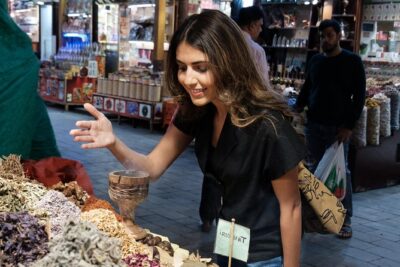
Explore the Backstreets of Old Dubai with an Insider
Read our review →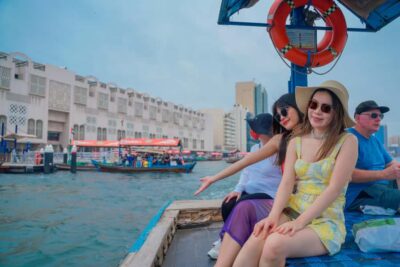
Old Dubai Historic Guided Tour: Creek, Street Food & Souks
Read our review →Browse the lists this tour appears in