
REVIEW · SOUK TOURS
Dubai Aladdin Tour: Souks, Creek, Old Dubai and Tastings
Old Dubai rewards curious feet. This three-hour tour brings together the creek, Al Fahidi’s narrow lanes, the Dubai Museum, two souks, an abra ride, and several food and drink samples, all for about $21 per person. I like the way it turns a scattered part of Dubai into a clear story, from the city’s early trading days to its modern gold and spice markets.
I especially like the small group size, capped at 15 people, and the practical help with bargaining. Guides such as Hamza, Hamsa, Seef, and Hazeem have earned praise for humor, clear explanations, and friendly service. The main caution is that the tastings may not match your idea of a full food tour. Some people receive a satisfying meal, juices, shawarma, and snacks, while others find the food selection fairly light.
In This Review
- Key points to know before booking
- Why this is a smart first look at Old Dubai
- Starting at Al Seef, Dubai’s carefully made heritage quarter
- Following the creek toward Al Fahidi
- Walking the wind-tower lanes of Al Fahidi
- Inside Al Fahidi Fort and Dubai Museum
- Testing your bargaining skills in the Old Souk
- Crossing Dubai Creek by private abra
- Exploring Deira’s Spice Souk with a guide
- Ending among the gold shops in Deira
- What $21 really buys you
- Who will enjoy this Old Dubai tour most?
- Should you book the Dubai Aladdin Tour?
- FAQ
- How long does the Dubai Aladdin Tour last?
- How much does the tour cost?
- Where does the tour begin?
- Where does the tour end?
- Is hotel pickup available?
- How many people can join the tour?
- Does the tour include an abra ride?
- What food and drinks are included?
- Does the tour visit Dubai Museum?
- Can I cancel for a full refund?
Key points to know before booking
- Start beside Dubai Creek: Meet at Al Seef Heritage Hotel, a handy point near the historic waterfront.
- Cross the creek by abra: The short wooden water taxi ride links Bur Dubai with Deira and adds real local flavor.
- Learn the art of bargaining: Your guide gives price advice and helps you shop with less pressure in the Old Souk and Spice Souk.
- See Dubai before the skyscrapers: Al Fahidi Historical Neighborhood and Al Fahidi Fort provide the tour’s strongest historical setting.
- Expect several small tastings: Tea, Arabic coffee, dates, chocolate, juices, street food, and spice-souk samples may be included, but the exact mix can vary.
- Finish at the Gold Souk: The tour ends in Deira, with a metro station or taxi stop available nearby.
Why this is a smart first look at Old Dubai
Dubai is often presented through towers, malls, beaches, and grand hotels. Those are easy to find. Old Dubai is different. Its sights are spread through lanes, waterfront paths, market streets, and small heritage sites. Without a guide, you can certainly see them, but you may miss the connections between them.
This tour gives you that structure. You move from the polished heritage recreation of Al Seef to the older lanes of Al Fahidi, then across the creek to Deira’s spice and gold markets. The route is not just a string of photo stops. It shows how water, trade, homes, food, and religion shaped the early city.
The guide is a large part of the value. Hamza is praised for keeping children engaged, handling questions, and using humor without losing the historical thread. Hamsa is described as clear, witty, and especially good at bringing the places to life. Seef and Hazeem also receive strong praise for friendly, entertaining guidance.
The group limit matters. Fifteen people is small enough for questions and shopping advice, though the experience will still feel like a group walk rather than a private tour. Guides can adjust the timing and stops when needed, which helps when the heat, market crowds, or group interests affect the pace.
More souk walks:
- Dubai: Old Town, Creek, Museums, Souks, & Street Food Tour
★ 4.8 · 10,816 reviews - Dubai: Old Town, Souks, Street Food, Guided Tour & Abra Ride
★ 4.9 · 7,170 reviews - Dubai: Frame Tickets, Creek, Souks & Blue Mosque Guided Tour
★ 4.8 · 5,980 reviews
Starting at Al Seef, Dubai’s carefully made heritage quarter
The tour begins at Al Seef, beside Dubai Creek. This district stretches for about 1.8 kilometers and blends modern shops and restaurants with buildings designed to resemble old Dubai. It is attractive, tidy, and very easy to photograph.
I would not treat Al Seef as an untouched historic neighborhood. It is a reconstructed heritage district, designed to echo the city’s past. That is not a reason to skip it. It gives you an accessible introduction to traditional building forms, waterfront life, and Dubai’s skill at presenting its past for today’s audience.
You have about 30 minutes here. The creek view is the real prize. Look across the water and picture the older city as a trading port rather than a skyline of glass towers. The area also has food places, so it can be a useful spot to get your bearings before the walking begins.
The best way to appreciate Al Seef is to see it as an opening chapter, not the whole story. The tour becomes more historically convincing once you reach Al Fahidi.
Following the creek toward Al Fahidi
Dubai Creek is the route’s natural spine. You walk along the water for about 15 minutes, taking in the views between Bur Dubai and Deira. The creek is not just scenery. It explains why Dubai developed here, with boats, trade, and markets tied to both banks.
This section is short, but it helps connect the districts. You are not being driven from one isolated attraction to another. You are walking through the relationship between the water and the old city.
The heat can be serious, especially in the warmer months. The tour includes water, and guides have used shaded or air-conditioned places when possible, but you should still bring a reusable bottle, wear light clothing, and use sun protection. The route is manageable for most people, yet three hours of walking in 40-degree heat can change how much you enjoy the food and market stops.
Walking the wind-tower lanes of Al Fahidi
Al Fahidi Historical Neighborhood is the tour’s most rewarding area for understanding traditional Dubai. The narrow lanes, courtyards, galleries, and cultural spaces offer a clear contrast to the city’s newer districts.
The buildings feature wind towers, an old method for moving air through homes before modern cooling systems. Your guide can explain how these homes worked and how daily life once centered on shaded courtyards, hospitality, and close-knit lanes.
There are two listed portions of the Al Fahidi visit, lasting about 20 minutes and 15 minutes. In practice, that gives the group time to walk through the quarter, pause for photographs, and hear about the homes and customs without rushing straight to the next market.
A viewpoint stop is also included, described as a good place for photographs. Do not expect a single dramatic lookout like the top of Burj Khalifa. The appeal here is more intimate: rooflines, lanes, creek views, and the texture of the old quarter.
A small photo stop at the World of Illusions is also part of the route. Its purpose is mainly to take playful pictures. It breaks up the historical material, though anyone seeking a strictly heritage-focused tour may find it less important than Al Fahidi itself.
More old Dubai walks:
- Old Dubai tour: Local Market, Tasting, Dubai creek with Abra ride
★ 5.0 · 834 reviews - Authentic Old Dubai, Souks, Tastings & local boat Guided Tour
★ 5.0 · 504 reviews - Old Dubai: Premium Guided Tour with Street Food & Abra Ride
★ 4.9 · 416 reviews - Dubai: Dinner Dhow Cruise with Live Entertainment Al Seef
★ 3.9 · 234 reviews
Inside Al Fahidi Fort and Dubai Museum
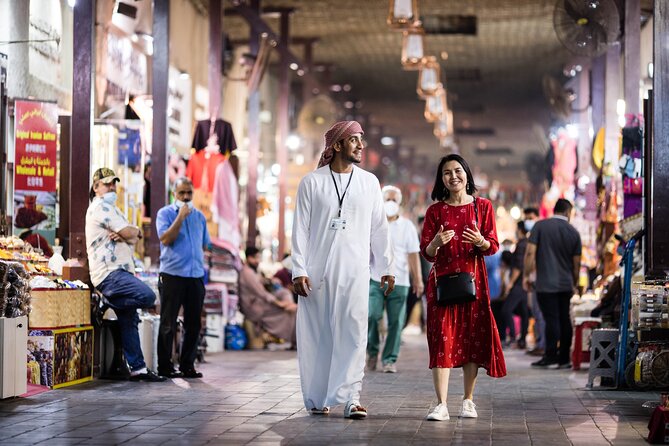
The Dubai Museum is set inside Al Fahidi Fort, identified as Dubai’s oldest building, dating to the 1780s. The fort gives the visit a strong sense of place. You are not learning about the old city in a modern exhibition hall, but inside a defensive building tied to Dubai’s early development.
The museum stop lasts about 30 minutes. That is enough for an introduction to the emirate’s past, though not enough for an exhaustive museum visit. The quality of this stop will depend partly on how much you enjoy displays about traditional life, trade, and the change from a small port community to a global city.
Some people consider the museum merely average, so I would not book this tour only for the museum. Its value comes from the way the fort fits into the walking route. The guide’s explanations can add context that a quick self-guided visit might lack.
Testing your bargaining skills in the Old Souk
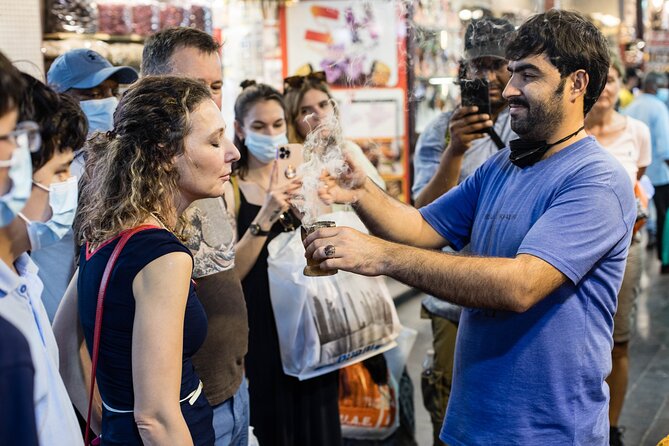
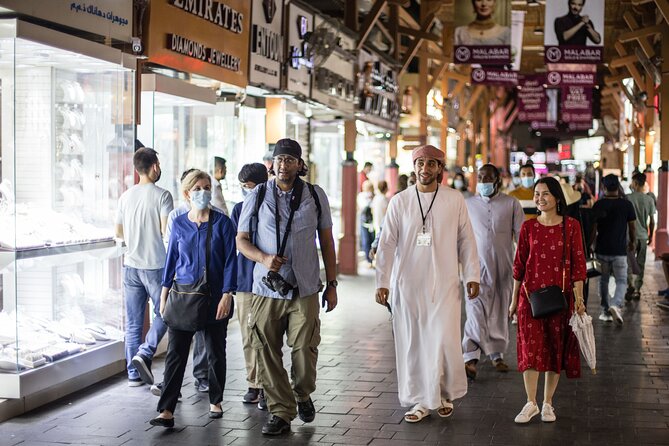
The Old Souk is where the tour becomes practical. You get about 30 minutes to look at textiles, shawls, local snacks, and other market goods while your guide explains how to bargain.
This advice is one of the strongest reasons to take the tour. Market prices are not always obvious, and a guide can help you judge what seems reasonable before you spend. The point is not to win every negotiation. It is to understand the rhythm of the exchange and avoid paying far more than you intended.
You should also keep your expectations realistic. This is a traditional market, but many shops may carry similar merchandise. If you are searching for independent craftspeople or unusual handmade work, you might find the Old Souk more commercial than expected.
The best approach is to browse first, ask prices without commitment, and buy only what you genuinely want. You do not have to purchase anything to enjoy the market.
Crossing Dubai Creek by private abra
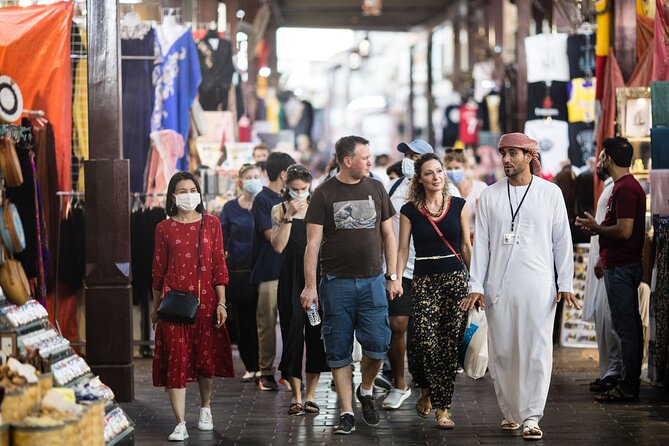
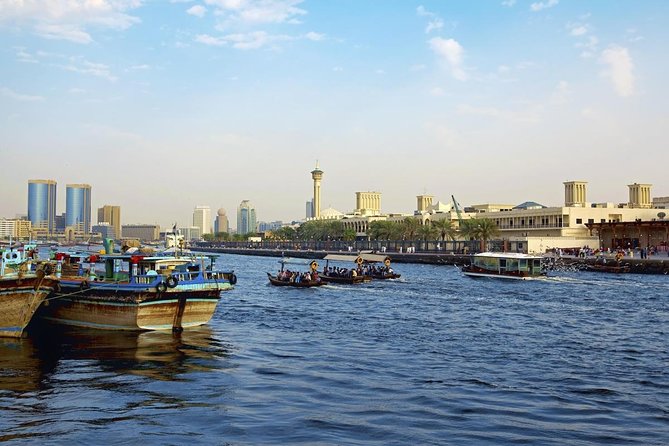
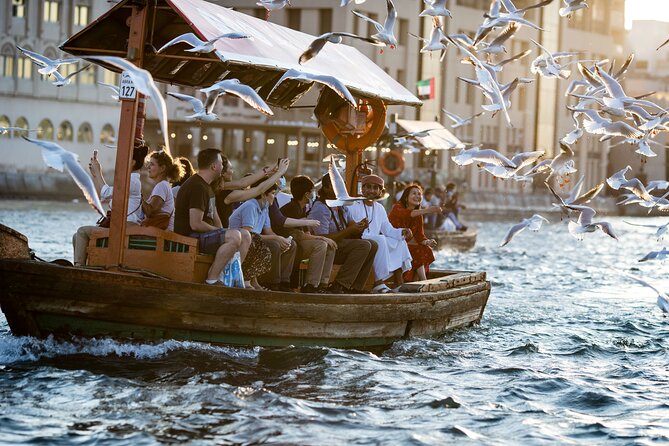
The abra ride is brief, around five minutes, but it is one of the tour’s most memorable transitions. Your group crosses in a wooden water taxi from Bur Dubai to Deira.
The sound of the engine and the movement of the creek offer a welcome pause after walking. More important, the boat connects the two historic market areas in the same way water transport has long linked the city’s two sides.
Because the boat is private for your group, you can cross together rather than being scattered among unrelated passengers. It is a simple ride, not a sightseeing cruise, so keep your expectations modest. The pleasure is in the setting and the sense of moving through the old city by water.
Exploring Deira’s Spice Souk with a guide
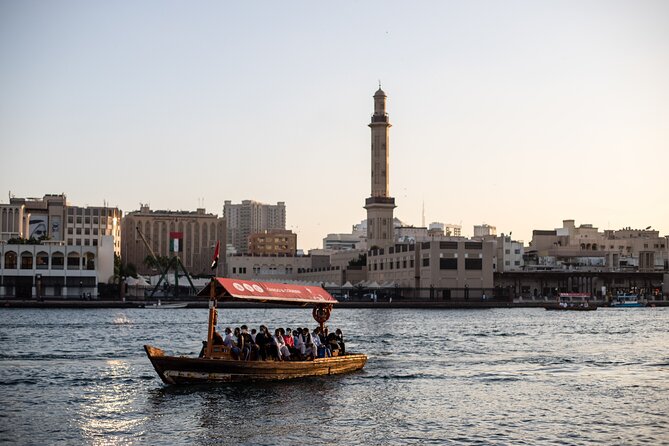
The Deira side begins at the old abra station, followed by a short visit to the surrounding market area. This is one of the better photo stops, with the spice and gold markets close together.
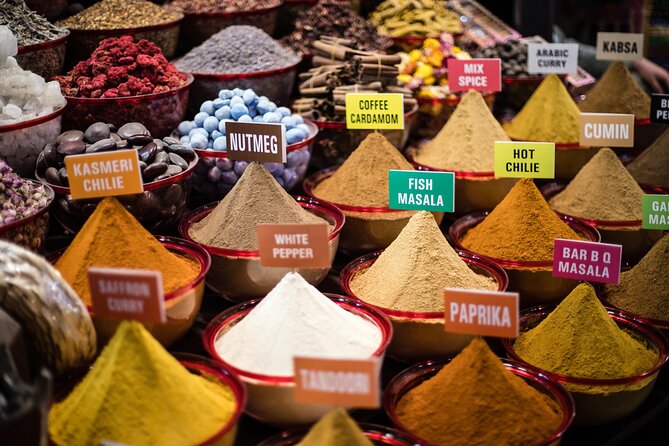
The Spice Souk is a sensory part of the route. You can see sacks and displays of spices, ask what different ingredients are used for, and sample food in the market. Tea, Arabic coffee, dates, chocolate, juices, and street food are all listed among the possible tastings during the tour.
Here again, your guide’s presence matters. Sellers may be eager to make a sale, and it helps to have someone explain products and offer a sense of local prices. The guide can also help reduce the pressure that some shoppers feel when entering market stalls.
The food element needs a clear explanation. This tour includes tastings, but it is not necessarily a long meal with a formal presentation of many Emirati dishes. Some outings include street food lunch, shawarma, juices, smoothies, and several snacks. Other people find the food less varied than expected, with a meal and only a few samples.
If you are booking mainly to study Dubai’s cuisine, choose carefully and confirm what the current tasting menu includes. If you want food to accompany a history and market walk, the offering is more likely to satisfy.
Saffron is one item specifically mentioned as a good buy at the Spice Souk. Still, compare prices and ask about quantity and quality before purchasing. A guide’s advice is useful, but you remain responsible for the final deal.
Ending among the gold shops in Deira
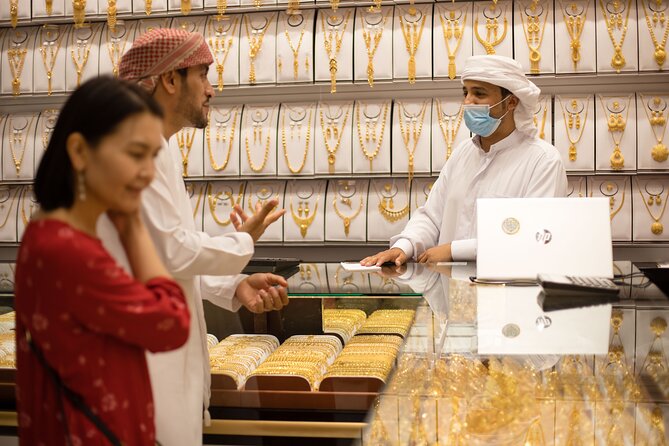
The tour finishes at the Gold Souk, where hundreds of shops sell gold jewelry along with silver and precious stones. You can enjoy the display without buying anything, making this a lively final stop even if jewelry is not on your shopping list.
The Gold Souk is a good place for a romantic souvenir, but it is also a place to slow down and look. The scale of the displays gives you a sense of Dubai’s long relationship with trade and luxury.
The end point is in Deira, near transportation. The guide can drop you at a metro station or taxi stop when the tour ends. That is useful because the tour does not return you to Al Seef unless a separate pickup or drop-off arrangement says otherwise.
Pickup is offered, and some bookings include or add hotel transport. Check the exact option you select. Several people value door-to-door service, especially in the heat, but the meeting point at Al Seef Heritage Hotel is also straightforward to reach by taxi.
What $21 really buys you
At about $21 per person, this tour is strong value if you want a guided introduction to Old Dubai. The price covers a lot of ground in three hours: a heritage district, creek walk, historic quarter, fort and museum, two souks, an abra crossing, bargaining help, and food and drink samples.
You would spend less by walking the neighborhoods alone, but then you would need to plan the route, understand the market customs, and find the creek crossing yourself. The guide’s local explanations and shopping advice are what justify the modest extra cost.
The price is less compelling if your main aim is a serious food tour or a long museum visit. The schedule keeps moving, and each stop receives a limited amount of time. Think of this as a compact old-city orientation with tastings, not a specialist culinary experience.
The tour is also commonly booked about 24 days ahead. That suggests you should reserve in advance if your Dubai dates are fixed, particularly if you want a specific day or pickup option.
Who will enjoy this Old Dubai tour most?
I would recommend it to first-time visitors who want history, markets, and local food without spending half a day planning the details. Families can benefit from the short stops, boat ride, snacks, and guides who are comfortable answering children’s questions.
It also suits visitors staying in modern parts of Dubai who want a quick look at the city’s older side. The route gives you a useful counterpoint to malls and skyscrapers.
You may want another kind of tour if you dislike shopping stops, prefer long museum visits, or want a carefully defined tasting menu. The souks are commercial, the food selection can vary, and the heat is a real factor.
Wear comfortable shoes, carry water, and keep some room in your schedule after the tour if you want to shop. The Gold Souk is the endpoint, so you may decide to stay in Deira rather than head straight back.
Should you book the Dubai Aladdin Tour?
Book it if you want an affordable, well-organized introduction to Old Dubai with a friendly guide, useful bargaining tips, and a memorable abra crossing. The strongest parts are the Al Fahidi lanes, the creek, the souks, and the human touch added by guides such as Hamza, Hamsa, Seef, and Hazeem.
Go in expecting a guided culture-and-market walk with snacks, not a full food study. Confirm the pickup details and tasting inclusions, prepare for heat, and let the guide handle the market advice. For $21, this is an efficient way to see the older city and understand why Dubai grew around the creek.
FAQ
How long does the Dubai Aladdin Tour last?
The tour lasts approximately three hours.
How much does the tour cost?
The listed price is $21 per person.
Where does the tour begin?
The tour begins at Al Seef Heritage Hotel Dubai, Curio Collection by Hilton, beside Dubai Creek on Al Seef Street.
Where does the tour end?
It ends at the Gold Souk in Deira, Dubai. A guide can drop you at a nearby metro station or taxi stop.
Is hotel pickup available?
Pickup is offered. Check the booking option you select to confirm whether hotel pickup is included or carries an additional charge.
How many people can join the tour?
The maximum group size is 15 people.
Does the tour include an abra ride?
Yes. The group crosses Dubai Creek by a private wooden abra from Bur Dubai to Deira.
What food and drinks are included?
Possible tastings include tea, Arabic coffee, dates, chocolate, juices, street food, and food samples in the Spice Souk. The exact mix can vary, and the experience is not necessarily a full food tour.
Does the tour visit Dubai Museum?
Yes. The route includes Dubai Museum inside Al Fahidi Fort, with about 30 minutes allocated to the stop.
Can I cancel for a full refund?
You can cancel at least 24 hours before the experience start time for a full refund. Cancellations or changes made within 24 hours are not refunded or accepted, and poor weather or an insufficient minimum group may lead to a rescheduled tour or full refund.
Newest reviews from Dubai
- Dubai Sunrise private Desert Safari With Camel Ride★ 5.0 · 17 reviews
- Abu Dhabi City Tour and Qasr AL Watan★ 5.0 · 17 reviews
- Arabian Desert Safari Dubai★ 4.0 · 17 reviews
- Sunset Quad/Buggy Tour & BBQ Evening★ 4.5 · 17 reviews
- Sky Views Dubai with Options★ 4.5 · 17 reviews
- Marina Dhowe Cruise Dinner with Private Transfers★ 4.5 · 17 reviews
- Private Chauffeur Service★ 5.0 · 17 reviews
- Dubai City Tour with Hotel Transfers★ 5.0 · 17 reviews
Souk Tours, compared.
Old Town, Creek, Museums, Souks, & Street Food Tour
Read our review →
Old Town, Souks, Street Food, Guided Tour & Abra Ride
Read our review →
Frame Tickets, Creek, Souks & Blue Mosque Guided Tour
Read our review →
Half-Day City Tour with Blue Mosque, Creek, and Souks
Read our review →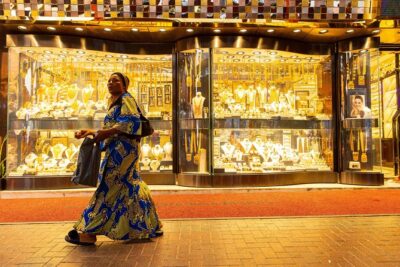
Dubai Half-Day City Tour with Visit to Dubai Gold Souk
Read our review →Old Town, Souks, Street Food, Guided Tour & Abra Ride
Read our review →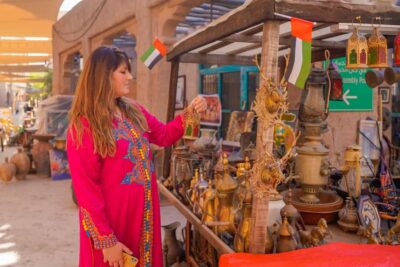
Old Town, Street Food, Creek, Souks, & Emirati House
Read our review →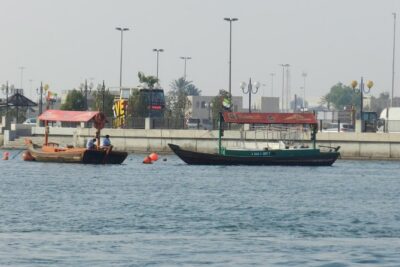
Dubai City Tour: Old & New Dubai Abra Ride, Palm Island, Souks
Read our review →Browse the lists this tour appears in