
REVIEW · STREET FOOD TOURS
Local Street Food and Guided Walking Tour of Dubai Old Town
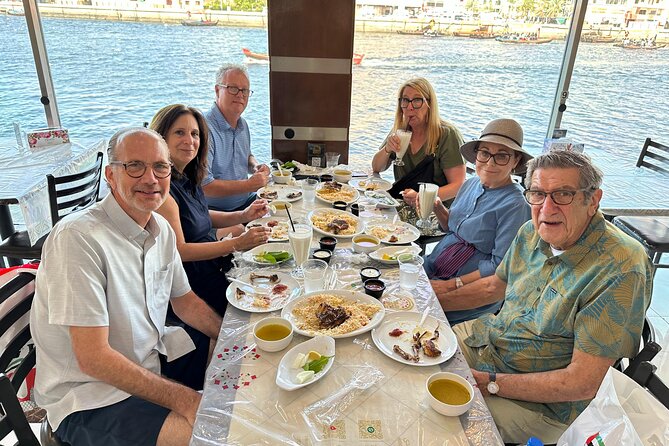
Old Dubai tastes better on foot. This three-hour private tour pairs street food with old neighborhoods, taking you through Al Fahidi, the souks, and across Dubai Creek by abra. I like the mix of landmarks and food, especially the chance to try shawarma, falafel, hummus, mandi, kunafa, and Arabic tea in one outing. I also like that the guide offers practical shopping advice, including when to bargain and what prices may be fair. The main drawback is the pace: with seven stops, several tastings, and a boat crossing packed into three hours, some visits may feel brief.
You meet at Arabian Tea House in Al Fahidi and finish near Al Ras Metro Station in Deira. That one-way route is useful because you see both sides of the creek without retracing your steps. Come hungry, wear comfortable shoes, and expect a tour that is more about tasting and seeing than sitting down for a long meal.
In This Review
- Key points at a glance
- Why this Old Dubai walk works
- Starting among Al Fahidi’s wind towers
- Al Fahidi Fort and the city’s early power
- Temple Lane and the Hindu Temple
- Bargaining at the Textile Souk
- A longer pause in Al Souk Al Kabir
- Crossing Dubai Creek by abra
- Spices, bargaining, and the Gold Souk
- What the food is really worth
- Timing, comfort, and group format
- Who should book this experience
- Should you book it?
- FAQ
- How long is the Old Dubai food tour?
- Where does the tour begin?
- Where does the tour finish?
- Is the abra boat ride included?
- What food is included?
- Is this a private tour?
- Is bottled water included?
- How far ahead is the tour usually booked?
- Can I cancel for a full refund?
Key points at a glance
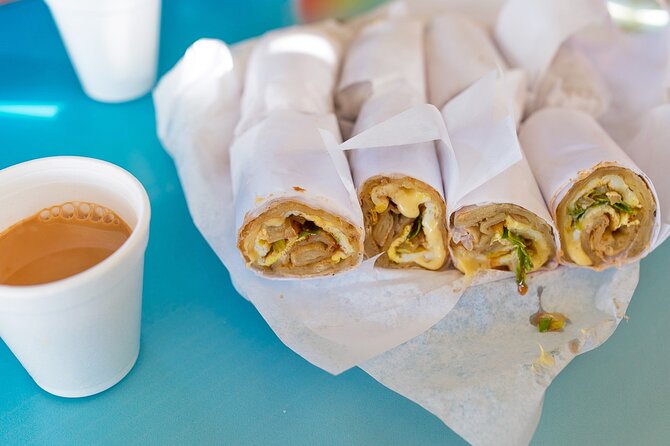
- A full meal in small bites: Shawarma, falafel, hummus, chicken mandi or madhbi, luqaimat, kunafa, dates chocolate, tea, and drinks are included.
- A traditional abra crossing: The short boat ride links Bur Dubai and Deira and gives you a simple, low-cost look at daily creek traffic.
- Seven distinct stops: You move from Al Fahidi’s wind towers to the Textile Souk, Spice Souk, and Gold Souk.
- Private touring: Only your own group takes part, which makes questions and food preferences easier to discuss.
- Helpful shopping guidance: The guide can advise you about bargaining and what to pay in the Textile and Spice Souks.
- A practical first-day introduction: The route covers food, religion, trade, architecture, and transport in one compact visit.
Why this Old Dubai walk works
Dubai is often presented through towers, malls, and polished hotels. This tour gives you a different first look. You begin in the older Bur Dubai district, where narrow lanes, courtyard buildings, traditional materials, and wind towers show how people lived before the modern city took shape.
I like the way food gives the walk a clear purpose. You are not simply moving from one photo stop to another. You taste familiar dishes, ask questions, and connect each neighborhood with the people and trade that shaped it.
The private format is another plus. Your group alone takes part, so you can ask about ingredients, local customs, or shopping without trying to catch a guide’s attention in a large crowd. If your guide is Mansoor, expect a warm and practical approach. He is described as helpful with country and food information, and especially useful when explaining where to shop and how much to pay.
The price is $115.83 per person. That is not a cheap walk, but it covers a substantial amount of food, bottled water, drinks, a licensed guide, the abra ride, and a route across two historic districts. I see the strongest value for visitors who want one organized introduction rather than separate food, sightseeing, and souk visits.
Still, you should know what this is not. It is not a long restaurant lunch or a slow architectural tour. The schedule allows about 20 minutes at Al Fahidi, 10 minutes at the Hindu Temple, 20 minutes at the Textile Souk, 10 minutes for the abra, 20 minutes at the Spice Souk, and 20 minutes at the Gold Souk. Al Souk Al Kabir receives about an hour, making it the main browsing and tasting stretch.
More street food tours in Dubai:
- Dubai: Old Town, Creek, Museums, Souks, & Street Food Tour
★ 4.8 · 10,816 reviews - Dubai: Old Town, Souks, Street Food, Guided Tour & Abra Ride
★ 4.9 · 7,170 reviews - Dubai: Old Town, Souks, Street Food, Guided Tour & Abra Ride
★ 5.0 · 1,664 reviews
Starting among Al Fahidi’s wind towers
The meeting point is Arabian Tea House Restaurant & Cafe in Al Fahidi. This is a sensible place to begin because the surrounding Al Fahidi Historical Neighbourhood is one of Dubai’s clearest windows onto its pre-oil-era character.
The district preserves buildings made with stone, gypsum, teak, sandalwood, palm wood, and palm fronds. Their high air towers, called barjeel, helped move air through the buildings before modern cooling systems. Narrow alleys and small public squares break up the dense rows of homes.
You have about 20 minutes here, with entry included. That is enough to get your bearings and hear the basic story of Old Dubai, but not enough for a detailed architectural study. I would pay attention to the shade, the courtyards, and the practical design of the buildings rather than rushing after photographs.
Food begins to shape the visit here or soon after. The experience includes Arabic tea and local products, so this early section helps set the tone: history is useful, but the meal is part of the lesson.
Al Fahidi Fort and the city’s early power
The tour also points out Dubai’s oldest building, dating from the 1780s. Built as a fortress, it later served as a center of political power in Old Dubai.
The stop is important because it gives the old neighborhood a civic focus. The homes and alleys show daily life, while the fort points to defense and government. Details about the amount of time at the fort are not specified, so you should treat it as a short landmark visit within the Old Dubai section rather than a separate museum session.
This is one place where a guide’s storytelling matters. The building itself is modest compared with Dubai’s modern landmarks. Its value comes from understanding what it meant when the city was much smaller and more dependent on the creek.
Temple Lane and the Hindu Temple

Next comes the Shiva Temple, part of the Dubai Hindu Temple complex in Bur Dubai. The complex was first established in 1958 and includes the Shiva Mandir, Krishna Mandir, and a Gurudwara.
You spend about 10 minutes here, with admission included. That makes this a quick cultural stop, not a long religious visit. It adds an important layer to the walk by showing the role of the Hindu community in Dubai and the religious mix found in the old district.
Temple Lane is also a useful reminder that Old Dubai is not only about Arab architecture and souks. The tour links several communities and traditions within a small area. Since this is an active place of worship, follow the guide’s instructions and keep your visit respectful.
More food tours in Dubai:
- Dubai: Old Town, Street Food, Creek, Souks, & Emirati House
★ 4.9 · 1,496 reviews - Old Dubai tour: Local Market, Tasting, Dubai creek with Abra ride
★ 5.0 · 834 reviews - Old Dubai: Premium Guided Tour with Street Food & Abra Ride
★ 4.9 · 416 reviews - Dubai Top Highlights: Frame Entry, Souks, Abra & Street Food
★ 4.8 · 344 reviews
Bargaining at the Textile Souk
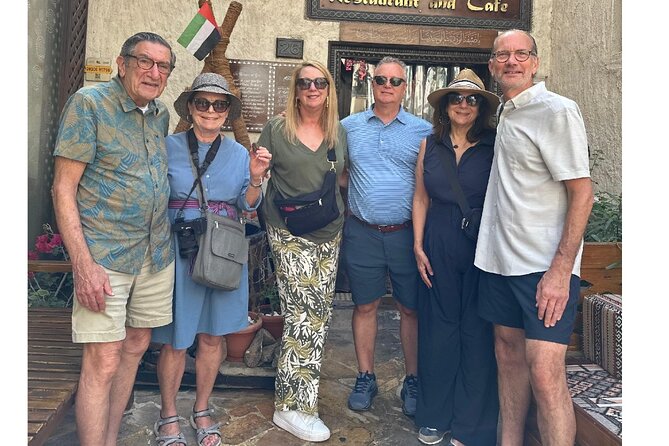
The Textile Souk is a colorful market filled with fabrics, shawls, embroidery, and souvenir goods from different parts of the world. You get about 20 minutes here.
This is a good stop for shoppers who want a little help before making a purchase. Bargaining is expected, and the guide can explain how to approach it. That practical advice may be worth more than a generic shopping stop, especially if you are unsure how to judge an opening price.
Do not feel pressured to buy. The market is also worth seeing for its colors, textures, and narrow storefronts. If you do shop, compare items and ask about prices before settling on anything. The tour’s purpose is to help you understand the market, not force a purchase.
The short time limit has a trade-off. You can browse and perhaps buy a small item, but serious textile shopping would need a separate visit. Keep your expectations modest and use the stop to learn what interests you.
A longer pause in Al Souk Al Kabir
Al Souq Al Kabeer receives the longest scheduled stop, about one hour. The area includes courtyards, tea shops, open-air restaurants, art galleries, stone houses, colorful silks, and embroidered cushions.
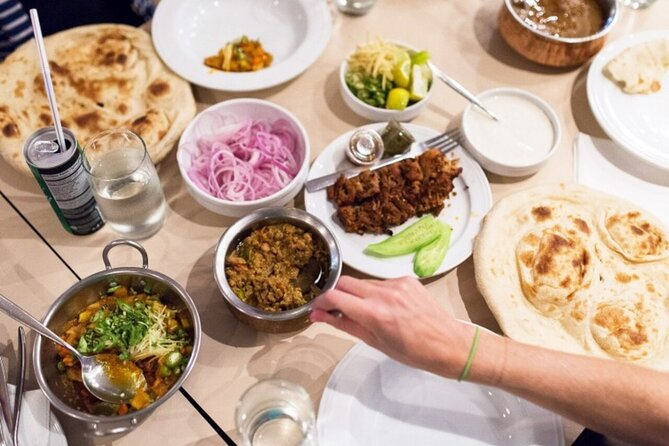
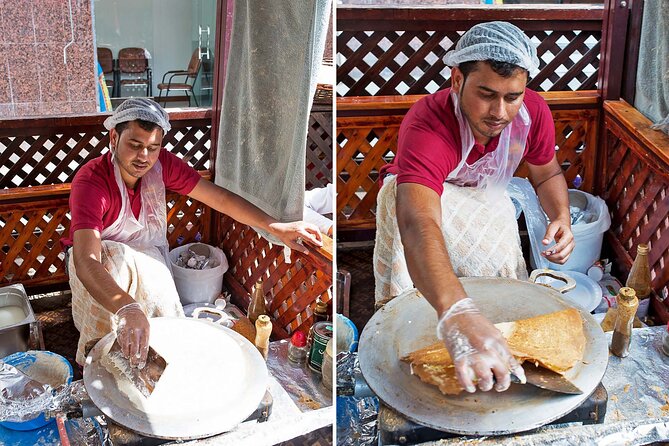
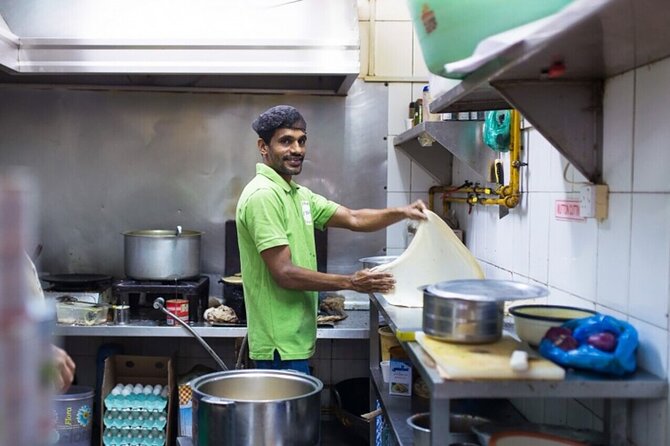
This is likely where the tour feels least rushed. You have time to look around, ask about the buildings, and work through several food tastings. Included dishes include shawarma, falafel, hummus, chicken mandi or madhbi, and other local bites.
The food list covers a useful range. Shawarma is familiar to many visitors, while mandi and madhbi offer a heartier rice-and-chicken experience. Falafel and hummus provide lighter savory options. Arabic tea gives you a simple break between tastings, and bottled water is included.
You will also try luqaimat and kunafa. Luqaimat are small sweet dumplings, while kunafa is a rich dessert with a soft, crisp, and syrupy character. The portions are not described, so think of this as a tasting route rather than a buffet. Still, the warning to arrive hungry is worth taking seriously.
Crossing Dubai Creek by abra
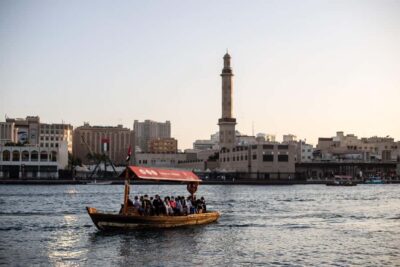
At Bur Dubai Abra Station, you board a traditional abra for the crossing to Deira. The ride takes about 10 minutes as a scheduled stop, and admission is included.
This is one of the tour’s best transitions. Instead of simply taking a road vehicle between districts, you cross the water in the same type of small boat long associated with movement along Dubai Creek. The ride also gives you a different view of the older waterfront and the connection between Bur Dubai and Deira.
The crossing is short, so do not expect a long cruise or a guided boat excursion. Its value lies in the change of scene and the feeling of using a familiar local form of transport. Have your camera ready, but keep your attention on the creek and the surrounding activity.
Food continues on the Deira side. The tour includes Iranian faluda, a secret refreshing juice, dates chocolate, and more local products. Since the exact juice is not named, you will need to discover that part during the visit. That small surprise adds variety without changing the tour’s practical focus.
Spices, bargaining, and the Gold Souk
The Dubai Spice Souk comes next, with about 20 minutes set aside. The market is known for its strong aromas and displays of spices. The guide can explain the different products and help you understand the shopping process.
Again, bargaining is part of the experience. I would treat the guide’s advice as a starting point, not a promise that every purchase is a bargain. Compare prices, ask questions, and buy only what you truly want. The short visit works well for sampling the atmosphere and learning the basics, but it is not enough for a careful search through every stall.
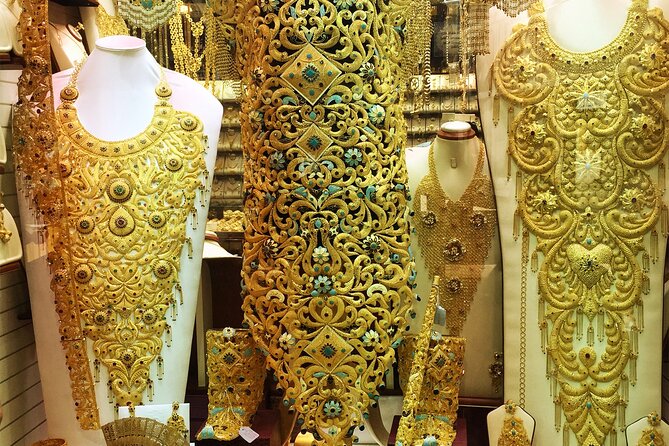
The Gold Souk follows, also for about 20 minutes. It is one of the world’s largest gold markets and contains a very large selection of jewelry shops. Even if you do not plan to buy anything, the scale and display of the jewelry make this a memorable final stop.
The Gold Souk can be more interesting as a cultural and commercial sight than as a shopping assignment. If you are considering a purchase, ask about the item’s weight, workmanship, and current gold price. The tour may help you feel more at ease, but you remain responsible for checking the details before spending.
You finish at Al Ras Metro Station on Baniyas Road. This ending is convenient for continuing through Deira or using the Dubai Metro. It also makes the tour useful as a one-way introduction to Old Dubai rather than a loop back to the start.
What the food is really worth
The food is the heart of the experience, but it helps to set the right expectation. You receive tastings of high-quality local products, not a formal multi-course meal at one table.
The range is generous:
- Shawarma
- Falafel
- Hummus
- Chicken mandi or madhbi
- Arabic tea and other drinks
- Iranian faluda
- Dates chocolate
- Luqaimat
- Kunafa
This selection moves from savory street food to sweets and drinks. It also gives you several chances to ask about preparation and local eating habits. If you already know Middle Eastern food, you may appreciate the chance to compare familiar dishes with new ones. If you are new to it, the variety makes the tour a useful introduction.
Food preferences and allergies are not explained in the available details, so contact the provider before booking if you need special arrangements. The tour is built around eating, and arriving hungry will make the experience more enjoyable.
Timing, comfort, and group format
Three hours is a compact schedule for this many neighborhoods and stops. The route includes walking through older streets, waiting for or boarding an abra, and moving through market areas. Comfortable shoes and water are sensible, even though bottled water is included.
The tour is private, so only your group takes part. That gives you more control than a large shared walk, especially if you want to ask many questions or spend a little more time at one site. The trade-off is the price. At $115.83 per person, the cost feels easier to justify for a group that values private guiding and included food.
Group discounts are available, though the exact discount is not stated. Since the experience is often booked about 38 days ahead, I would not leave it until the last minute if your Dubai dates are fixed.
Most people can participate, and the experience is recommended for everyone. Still, remember that the tour is on foot and includes market areas and a boat ride. Anyone who prefers a slow pace should ask about the walking demands before booking.
Who should book this experience
I would choose this tour if you are visiting Dubai for the first time and want more than the modern skyline. It gives you food, architecture, religion, shopping, transport, and creek views in a single route.
It also suits you if you want a guide who can answer questions and help you avoid obvious shopping mistakes. The direct advice about bargaining is especially useful in the Textile and Spice Souks.
Families, couples, and small groups may like the private format. Food-focused visitors will get the most from it, especially if they enjoy tasting several dishes instead of ordering one large meal. It also works well early in a Dubai stay, since the route helps you understand how Bur Dubai and Deira fit together.
I would hesitate if you dislike eating on a schedule, want a long museum visit, or prefer to explore each souk slowly. The tour covers a lot, but it cannot give every stop equal time.
Should you book it?
Book this Old Dubai tour if you want a guided first taste of the city’s older side, with plenty of food and useful shopping advice. The strongest reasons are the private format, the broad tasting list, the abra crossing, and the guide’s practical help with prices and local customs.
Skip it if $115.83 feels high for a three-hour walk or if you would rather choose your own restaurants and spend a full afternoon in the markets. For everyone else, the experience offers a well-packed introduction, provided you arrive hungry and accept that some landmark visits will be brief.
Free cancellation is available up to 24 hours before the start time. Cancellations or changes made within 24 hours are not refunded or accepted.
FAQ
How long is the Old Dubai food tour?
The experience lasts approximately three hours.
Where does the tour begin?
It begins at Arabian Tea House Restaurant & Cafe in Al Fahidi, Dubai, opposite the Musalla Post Office on Al Fahidi Street.
Where does the tour finish?
The tour finishes at Al Ras Metro Station on Baniyas Road in Deira.
Is the abra boat ride included?
Yes. The traditional abra crossing from Bur Dubai to Deira is included.
What food is included?
Included tastings include shawarma, kunafa, chicken mandi or madhbi, falafel, hummus, luqaimat, Arabic tea, Iranian faluda, dates chocolate, and other local products and drinks.
Is this a private tour?
Yes. Only your own group participates in the activity.
Is bottled water included?
Yes, bottled water is included.
How far ahead is the tour usually booked?
The experience is booked an average of 38 days in advance.
Can I cancel for a full refund?
Yes. You can cancel at least 24 hours before the start time for a full refund. Cancellations within 24 hours are not refunded.
More Walking Tours in Dubai
- Middle Eastern Food & Culture Walk in Old Dubai
★ 5.0 · 206 reviews - Historic Old Dubai & Souk Small Group Walking Tour
★ 5.0 · 156 reviews - Dubai Souks, Food & Culture Walking Tour
★ 5.0 · 132 reviews - Private Old Dubai Walking Tour: Forts, Souks, and Boats
★ 5.0 · 116 reviews
Newest reviews from Dubai
- Dubai Sunrise private Desert Safari With Camel Ride★ 5.0 · 17 reviews
- Abu Dhabi City Tour and Qasr AL Watan★ 5.0 · 17 reviews
- Arabian Desert Safari Dubai★ 4.0 · 17 reviews
- Sunset Quad/Buggy Tour & BBQ Evening★ 4.5 · 17 reviews
- Sky Views Dubai with Options★ 4.5 · 17 reviews
- Marina Dhowe Cruise Dinner with Private Transfers★ 4.5 · 17 reviews
- Private Chauffeur Service★ 5.0 · 17 reviews
- Dubai City Tour with Hotel Transfers★ 5.0 · 17 reviews
Street Food Tours, compared.
Old Town, Creek, Museums, Souks, & Street Food Tour
Read our review →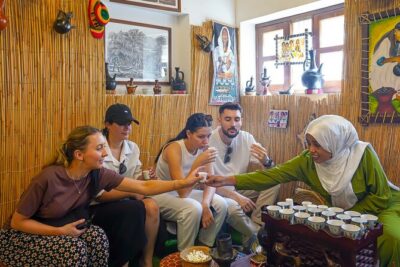
Old Town, Souks, Street Food, Guided Tour & Abra Ride
Read our review →Old Town, Souks, Street Food, Guided Tour & Abra Ride
Read our review →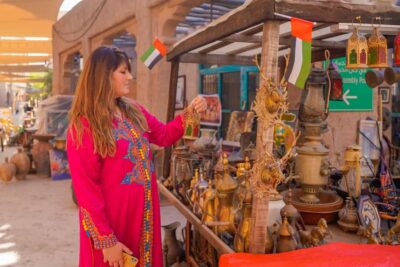
Old Town, Street Food, Creek, Souks, & Emirati House
Read our review →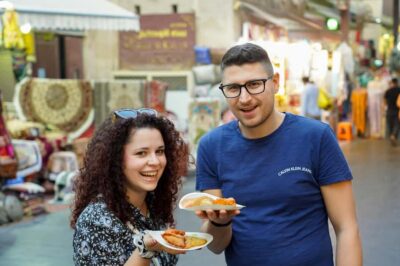
Old Dubai: Premium Guided Tour with Street Food & Abra Ride
Read our review →
Dubai Top Highlights: Frame Entry, Souks, Abra & Street Food
Read our review →
Premium Old Town, Street Food, Souks & Boat Ride Tour
Read our review →
City Highlights Tour with Blue Mosque & Street Food
Read our review →Browse the lists this tour appears in